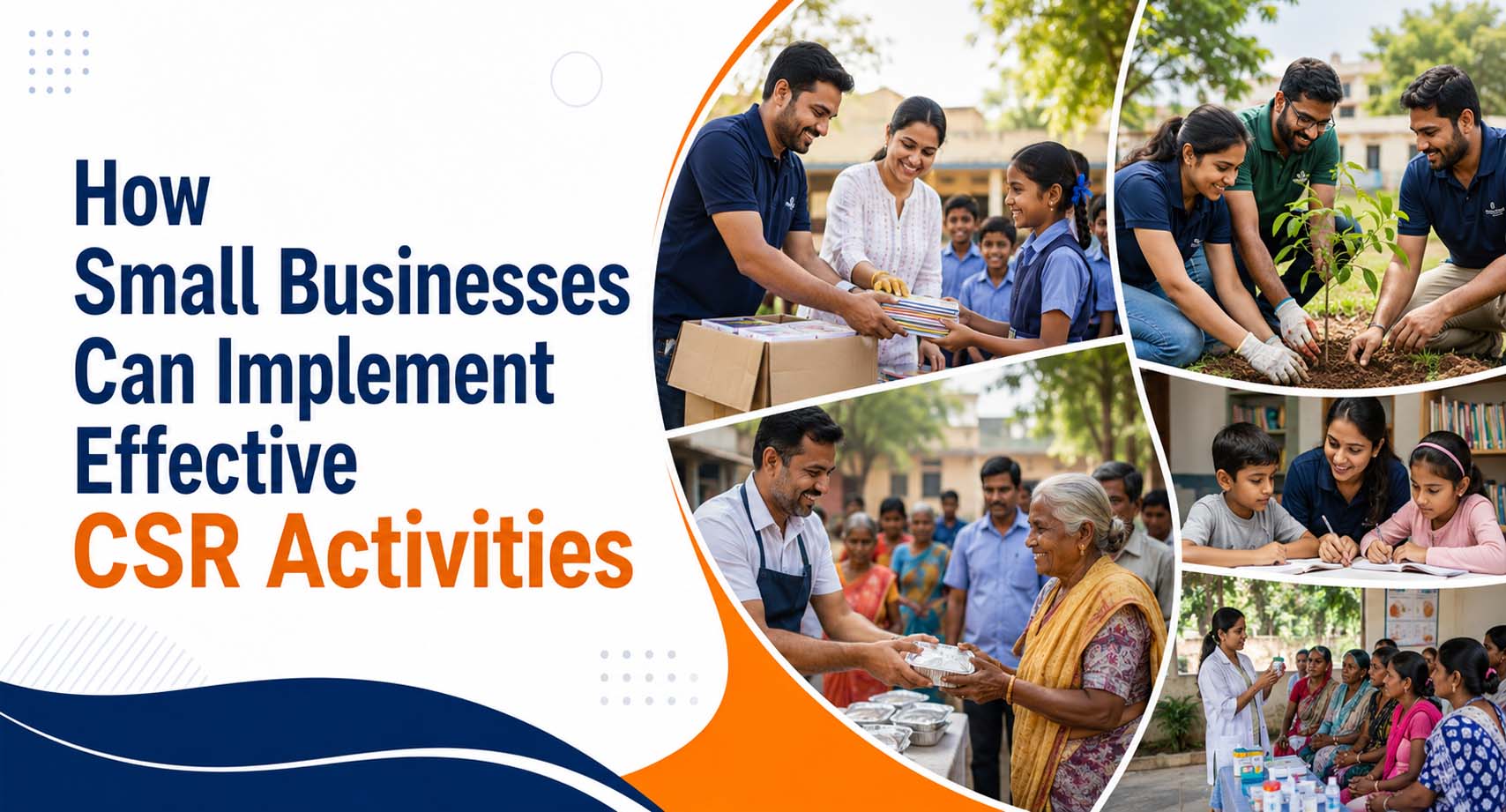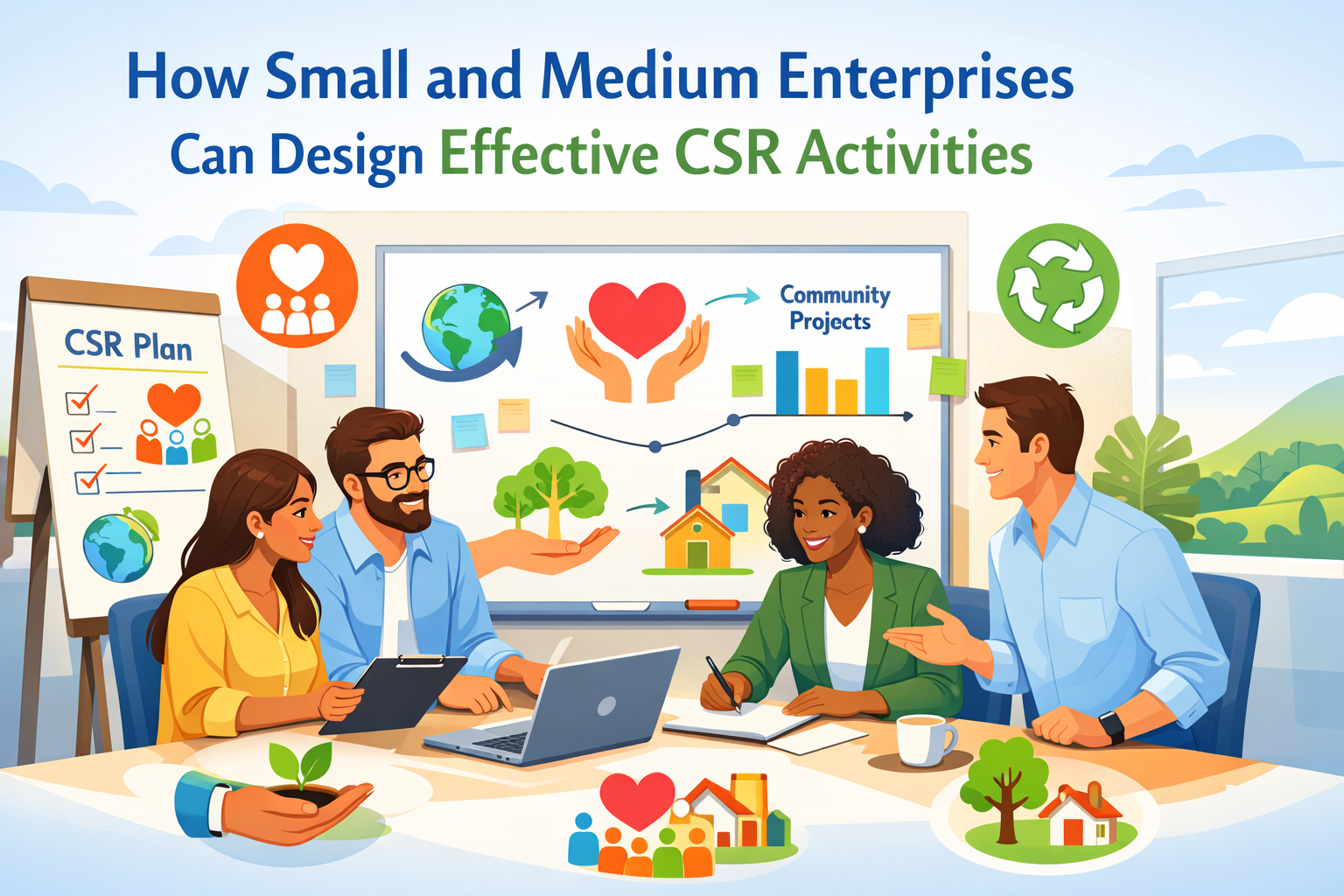
Corporate Social Responsibility is no longer limited to large multinational corporations. Today, small and medium enterprises (SMEs) are increasingly recognizing the value of giving back to society while strengthening their brand and community presence. Well-planned CSR Activities can help SMEs build trust, improve employee engagement, and contribute meaningfully to social and environmental development.
Understanding the Importance of CSR for SMEs
For SMEs, resources may be limited compared to large corporations, but their local impact can be significant. Thoughtfully designed CSR Activities allow smaller businesses to address community needs directly and create authentic connections with stakeholders. Unlike large-scale initiatives, SMEs can focus on targeted efforts that align closely with their values, expertise, and geographic reach.
Moreover, socially responsible initiatives enhance brand reputation. Customers today prefer businesses that demonstrate ethical practices and social commitment. By integrating responsibility into business strategy, SMEs can differentiate themselves in competitive markets.
Align CSR with Core Business Values
The alignment of CSR Activities with the mission and strengths of the company is one of the initial steps in the design of the effective CSR Activities. For example, a small manufacturing company may concentrate on environmental sustainability by cutting down wastes or promote recycling within the community. A training centre can conduct free trainings or give scholarships to the disadvantaged students.
Initiatives that are linked with the core operations of the organization are more sustainable and manageable. Congruence is also used to make CSR not a one-time event but a regular action, part of the business model.
Identify Community Needs
Before launching any initiative, SMEs should assess the needs of their local community. Conducting simple surveys, interacting with local leaders, or partnering with non-profit organizations can provide valuable insights. Effective CSR Activities are those that solve real problems, whether related to education, healthcare, environmental conservation, or skill development.
By concentrating on a particular cause instead of thinning resources could result in quantifiable and observable constituency. Even little amounts that are invested consistently can have a difference in the long run.
Encourage Employee Participation
The contribution of the Employees enhances the effect of CSR Activities. This is created when team members volunteer, share ideas or participate in community events which make them feel purpose and teamwork. This not only helps the community but also increases the morale and job satisfaction in the organization.
SMEs can organize volunteer days, mentorship or donation drives which can enable employees to participate. When employees are engaged, they usually end up being brand ambassadors hence improving the reputation of the company automatically.
Measure and Communicate Impact
SMEs should measure their results in order to keep them effective in terms of CSR. Measuring success in terms of clear goals that define the level of achievement (e.g., the number of beneficiaries helped or the amount of waste in the environment reduced). Measuring progress makes CSR Activities focused and provides measurable outcomes.
It is also vital that these efforts are communicated openly. Posting updates via web sites, social media or annual statements creates credibility and encourages others to donate.
Building Long-Term Value
CSR Activities generate long-term values for businesses and communities when they are diligently designed and applied on a regular basis. For SMEs social responsibility does not concern huge budgets but rather the sincerity, tactical intent, and practical effect. With the ability to align the efforts with the core values, ensure engagement of employees, and discover the actual community needs, the small and medium enterprises can create a sustainable, effective, and beneficial CSR program.