Giving back to the community, or corporate social responsibility, has gone beyond a single gift and a fleeting campaign. In today’s world, CSR is more about grasping the problem in the community and designing the program to solve the problem, on a regular basis. Understanding the needs of the local community can be beneficial for a CSR foundation in India to ensure that the resources are allocated towards issues that have a practical and long-term impact.
Understanding Community Priorities
Each community has their own socioeconomic dynamics. One area might have access issues to education, another might have issues related to health, sanitation, livelihoods, child protection, etc. These differences may not be met effectively with a standard CSR program.
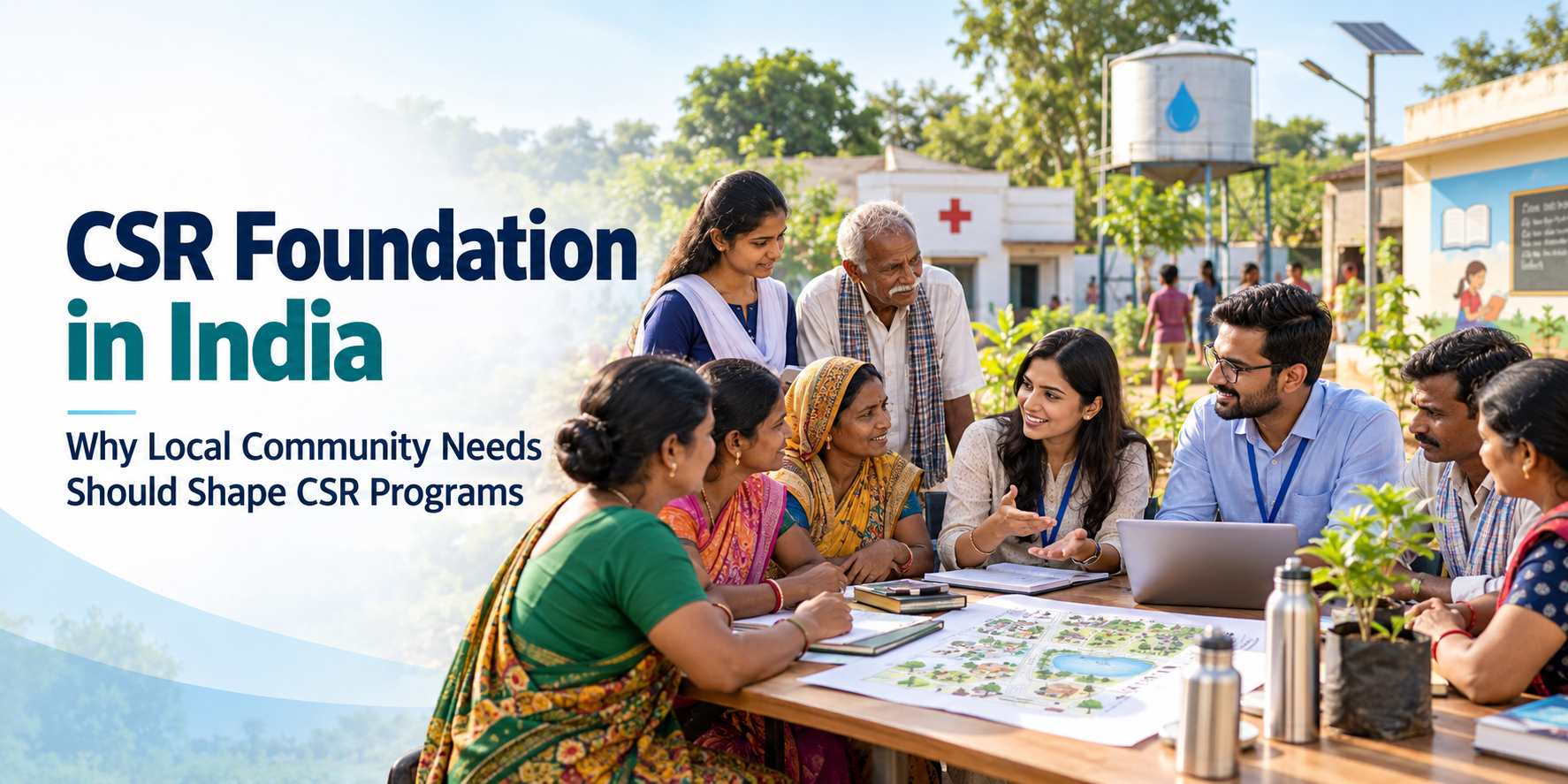
A CSR foundation in India can conduct a thorough research into the current gaps by interacting with the community, local organizations, schools, and other stakeholders before designing an initiative. Community consults, surveys and field assessments may give relevant information about matters that have a personal impact on people.
Enhancing CSR Initiatives in Terms of Relevance
If CSR programs are localized, then the goals can be linked to the local needs. For instance, a project that’s implemented in an area where education resources are scarce could concentrate on learning support, school infrastructure, access to digital resources or developing digital skills.
Likewise, health awareness drives and medical support or preventive healthcare drives in communities with poor healthcare access to the community could be beneficial. This method enables CSR resources to focus on the areas in which they are needed, rather than on a standard model in various regions.
Encouraging Community Participation
To plan a CSR effectively, community involvement is yet another crucial component. Those who are directly impacted by a social issue tend to know the cause of the issue and what it’s like to deal with it better than outside stakeholders.
Community participation can be done in planning, implementation and evaluation phases of a CSR foundation in India. Their involvement may assist in determining the obstacles and foster more acceptance of the program. It can also foster a sense of ownership with beneficiaries so they can participate in programs that impact their lives.
Supporting Sustainable Outcomes
While short-term assistance can offer immediate relief, sustainable CSR programs may need to be implemented over a longer time frame. Knowledge of the local context can help them to understand what can be achieved and what solutions are likely to remain beneficial to communities long after the initial project has been implemented.
For example, teacher development, parental involvement and access to educational resources can be integrated into an education initiative along with learning support. This more comprehensive stance can take care of a number of factors that affect children’s learning results.
Measuring What Matters
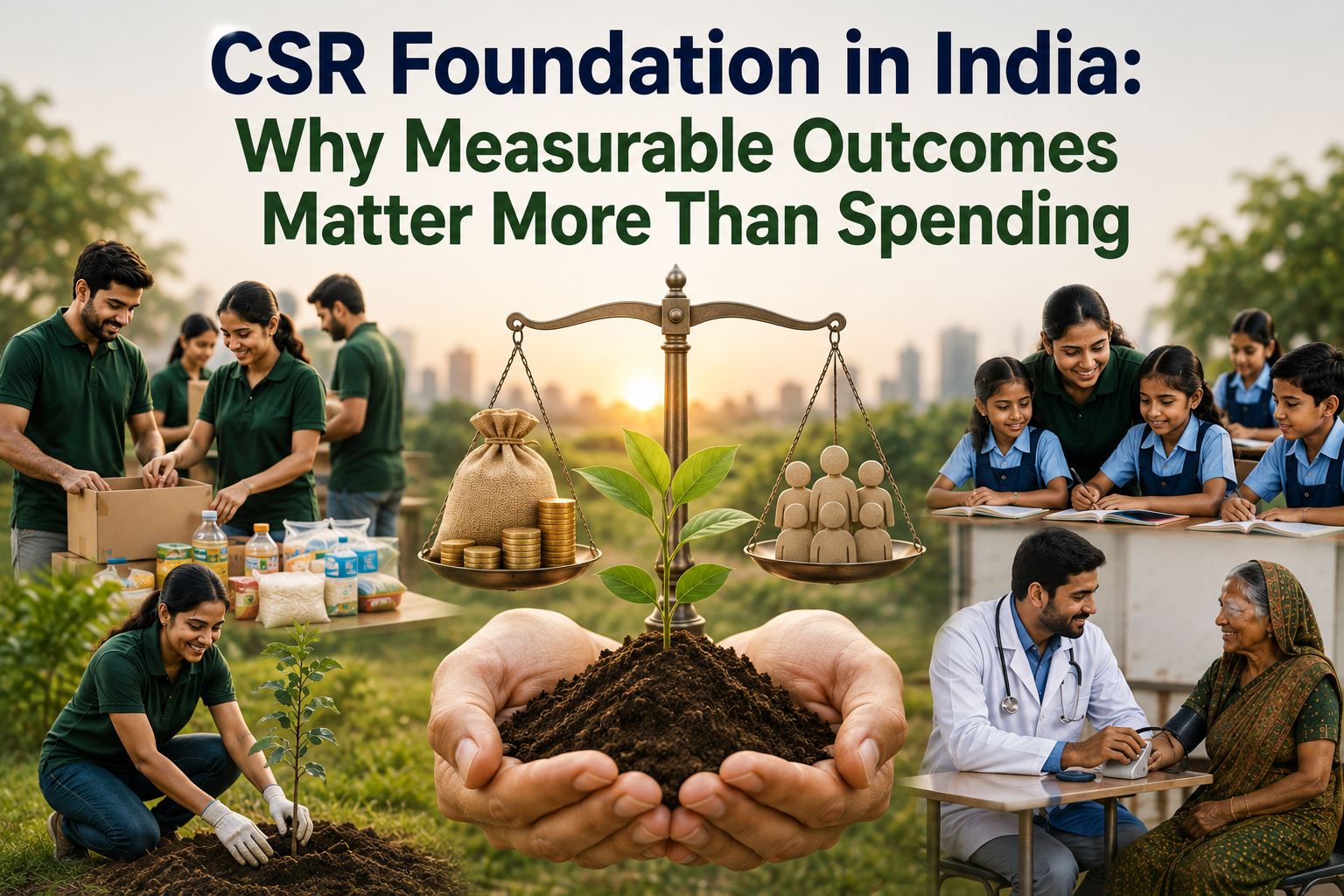
Community requirements could be a factor influencing the way the success of a CSR initiative is evaluated. Organizations can focus on outcome monitoring that relates to the community, and not just expenditure or beneficiary numbers.
It can be the improvement in schooling, improvement in education, provision of healthcare facilities, employment, or a specific community initiative. Continuous monitoring helps to identify what works and make any necessary modifications.
Improvement in Working Relationships with the Community;
Meaningful involvement is provided if communities are partners in the CSR initiatives rather than recipients. Identifying local concerns, making relevant adjustments to the initiative and maintaining contact will assist in building stronger relationships with local communities.
All the program planning process will become more relevant, responsive and sustainable for a CSR foundation in India if they consider the community as the center of all their activities. CSR initiatives will not only create social development in the community but also meet their needs by the use of local knowledge and involvement along with corporate funding.