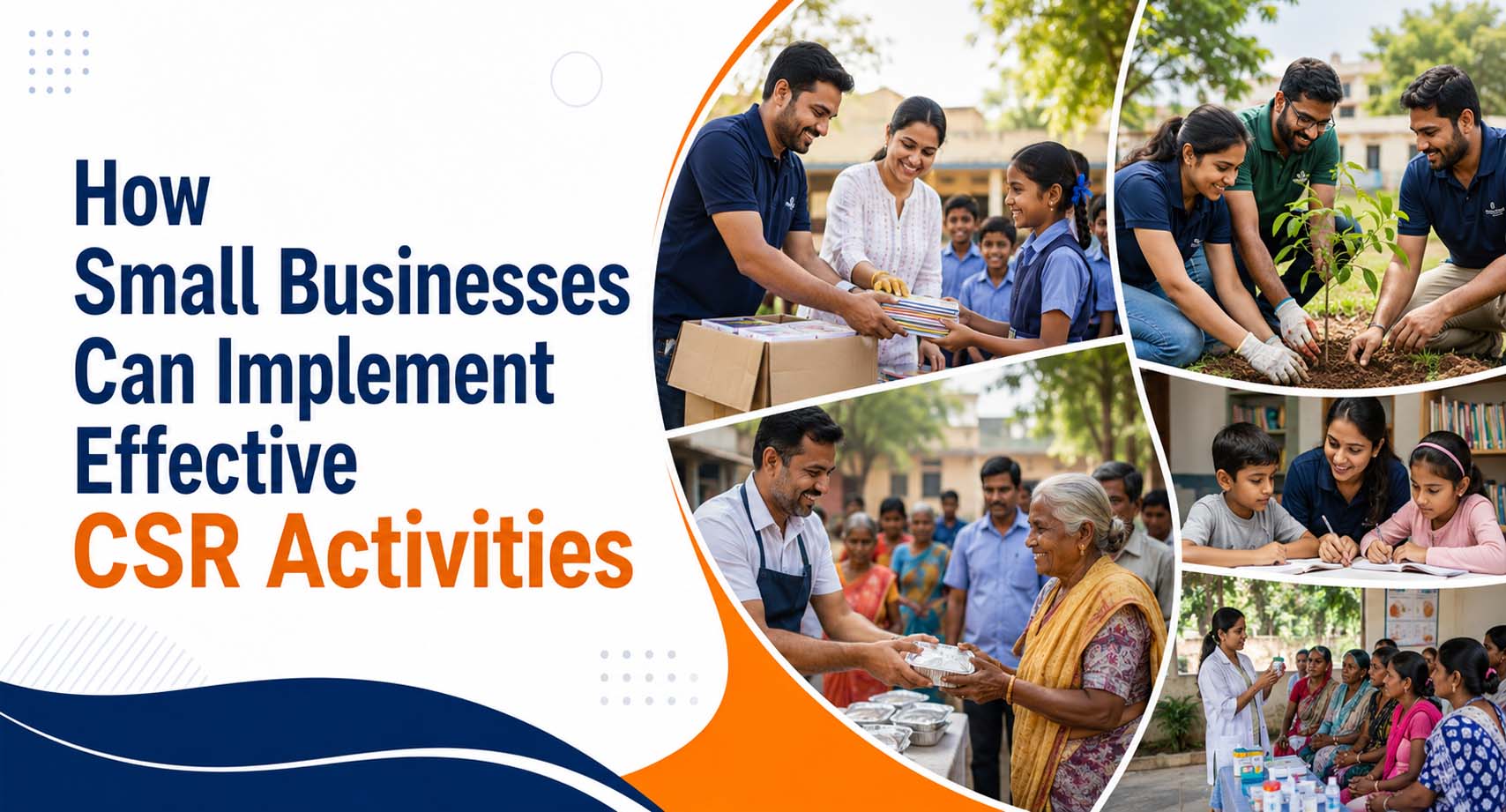
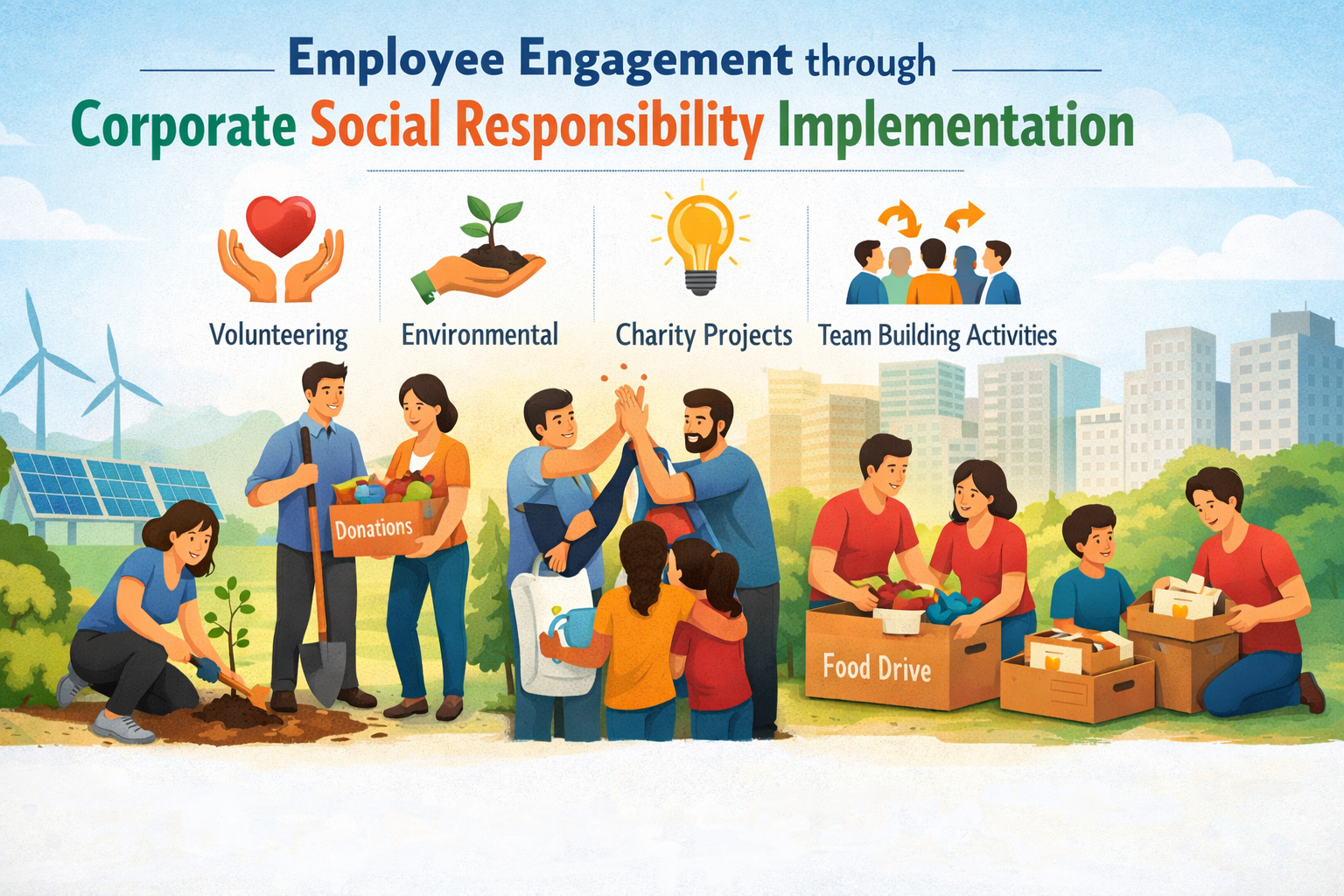
Corporate social responsibility (CSR) is no longer just a branding initiative—it has evolved into a strategic function that reflects a company’s values, impacts its community, and strengthens employee morale. For any organization, the success of corporate social responsibility implementation greatly depends on how effectively employees are involved. When employees are genuinely engaged, CSR initiatives become more than external campaigns—they turn into meaningful internal movements.
Why Employee Engagement Matters in CSR
Engaging employees in corporate social responsibility implementation not only strengthens the connection between the company and its workforce but also boosts productivity, satisfaction, and retention. Employees who see their organization making a difference in society often take greater pride in their work. Furthermore, when employees are part of a CSR initiative, they contribute ideas, energy, and commitment that can lead to deeper community impact.
Strategies to Engage Employees in CSR Implementation
Involve Employees in Decision-Making
One of the most effective ways to engage employees is to involve them in shaping CSR goals. This can be achieved through surveys, suggestion boxes, or CSR committees composed of staff from different departments. When employees have a say in the causes and projects the company supports, they feel a stronger sense of ownership in the corporate social responsibility implementation process.
Align CSR Activities with Employee Interests
To increase participation, align CSR programs with the interests and passions of your workforce. For example, if many employees are passionate about education, the company can partner with local schools or literacy programs. Personal relevance creates stronger engagement and makes the initiative feel authentic rather than obligatory.
Encourage Volunteering Opportunities
Paid volunteer hours or team-based volunteer days are excellent ways to directly involve employees in CSR. Hands-on participation connects staff with the beneficiaries of CSR programs and shows that the company values both social impact and employee involvement. This kind of direct action reinforces the mission of corporate social responsibility implementation across all levels of the organization.
Recognize and Reward Participation
Applause can also take you a long way in ensuring employee engagement. People can be encouraged to contribute by honoring contributions via internal newsletters, awards, or using social media to shout-out. Connection to the assessment of performance and incentives may also induce participation without compromising the initiative of volunteerism.
Share the change
Constant updates on the results of the CSR activities are essential. The event, a story or an internal report can help to communicate the outcomes of the employee-initiated plans strengthening the idea of their role in the eradication of the corporate social responsibility implementation process. This will be a positive feedback loop which helps in increasing the motivation and also proves that their work is doing something in reality.
Conclusion
CSR does not only need employee engagement as a supplement to its aims and objectives, but it is the key to its success. Whenever the employees are included, enlightened, and valued, implementation of corporate social responsibility is not just a to-do list. It becomes a collective collaboration, which results in the creation of a more robust culture, reputational boost, and the actual engagement with the community. Funding the strategies in which the people are involved in CSR activities guarantees the sustainability of your company and more fundamental change in the society over a long run.