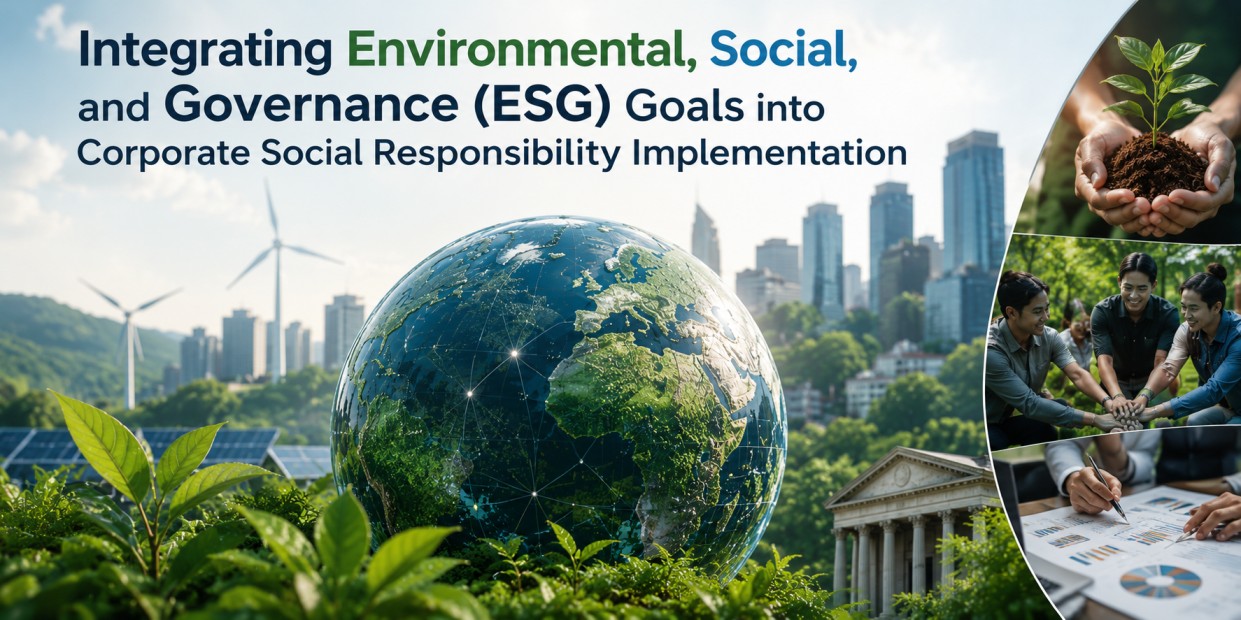
Employee volunteer programs have become a powerful tool for organizations looking to create meaningful social impact while strengthening workplace culture. These programs allow employees to contribute their time and skills to social causes supported by their employer. As businesses move beyond traditional philanthropy, employee volunteering is emerging as a strategic pillar of corporate social responsibility implementation, aligning business values with community development.
Understanding Employee Volunteer Programs
Employee volunteer programs are structured initiatives where companies encourage and support employees to participate in social, environmental, or community-based activities. These programs may include volunteering with NGOs, participating in awareness campaigns, offering professional skills, or supporting education and healthcare initiatives. When thoughtfully designed, they serve as a bridge between organizational goals and social needs, reinforcing a purpose-driven work environment.
Why Employee Volunteering Matters for Organizations
From a corporate perspective, employee volunteering strengthens engagement, morale, and team cohesion. When their place of work engages in causes that they are interested in, employees get a stronger sense of pride and belonging. Such emotional bond is high in the effective process of implementing corporate social responsibility since workers cease to be mere spectators but become actors in the social impact programs.
Leadership skills, empathy and collaboration are other advantages of volunteering and all these improve performance at the workplace. Companies that make investments in these programs tend to experience better retention and a better employer brand.
Aligning Volunteer Programs with CSR Goals
To be effective, the employee volunteer programs should be connected with the overall CSR vision of the company. This will entail the social causes that can appeal both to the organization and its employees. Clear objectives, measurable outcomes, and long-term partnerships with credible NGOs ensure that volunteering efforts are impactful and sustainable. This is because such alignment empowers the Corporate Social Responsibility Implementation by creating consistency between intent and action.
Role of Leadership and Internal Support
The commitment of the leadership is essential when integrating volunteerism in the company culture. When leaders actively participate or advocate for volunteering, it sends a strong message across the organization. Participation is further promoted by internal communication, flexible policies of volunteering and recognition programs. These internal processes facilitate the implementation of corporate social responsibility by making the social engagement available and a rewarding for the employees.
Measuring Impact and Continuous Improvement
Contemporary employee volunteer initiatives are based on information and feedback to measure impact. Monitoring the rate of participation, community efforts and employee satisfaction assists organizations in polishing their strategy. Periodic review will also keep volunteer programs relevant and efficient, which will strengthen the long-term Corporate Social Responsibility Implementation rather than one-time activities.
Building Shared Value Through Volunteering
The value generated through employee volunteer programs is that both communities and employees get benefits. They make corporate activities more human, making CSR more than a mandatory task a value of the practiced organization. When employees are given the mandate to play significant roles, then the Corporate Social Responsibility Implementation becomes genuine, stronger and influential for all the stakeholders concerned.