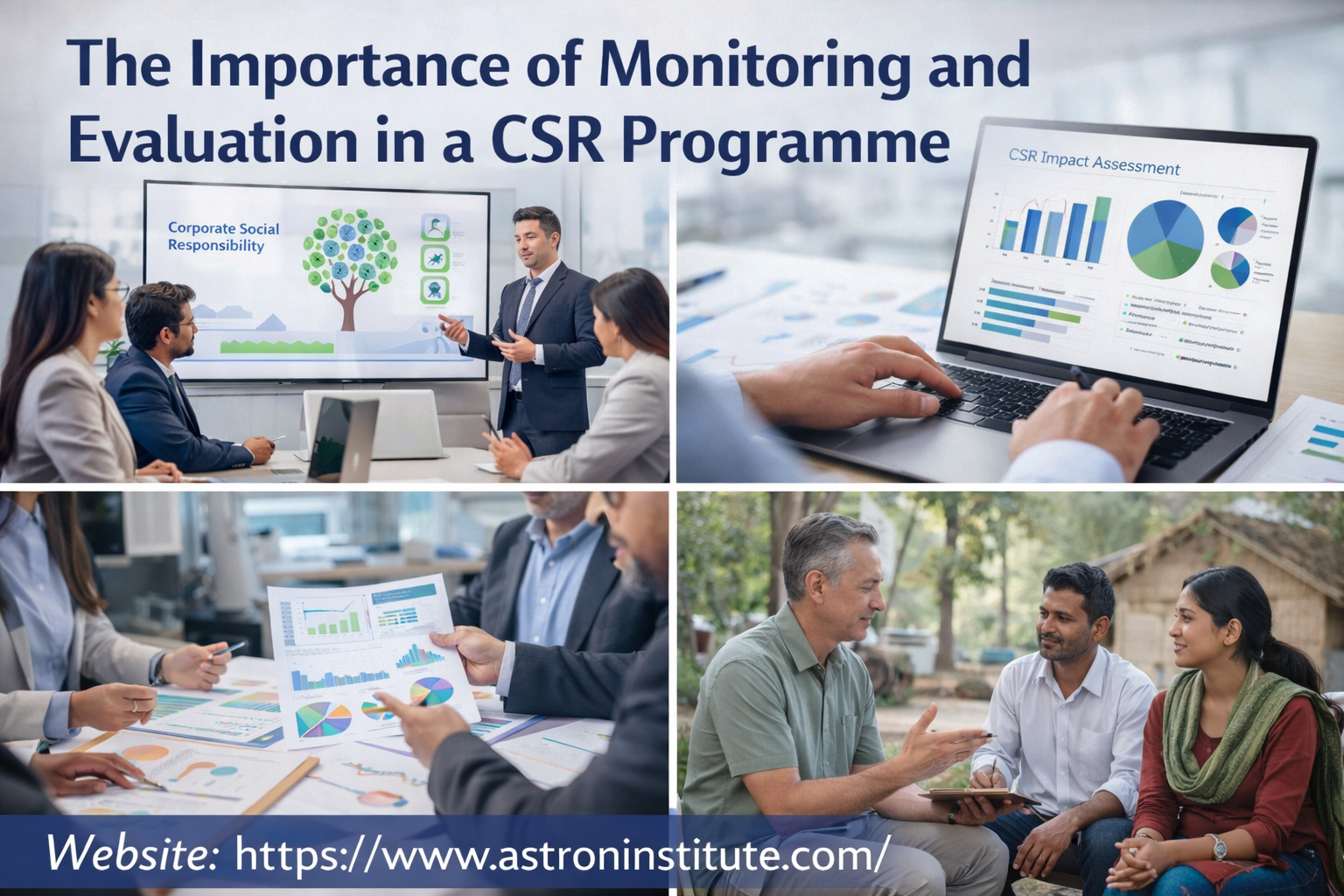
Corporate Social Responsibility has entered the business strategy. It is expected that companies not only get economically successful but also be helpful to society and to environment. CSR is an activity that is undertaken by many organizations to serve communities, enhance sustainability, and deal with societal issues. Such initiatives, however, are best implemented when they are strongly aligned to the company values and long-term objectives.
CSR activities are meaningful and sustainable instead of temporary when they are based on the main principles of an organization. Bodying the Corporate CSR activities to corporate values assists companies build a greater impact besides enhancing the reputation of a business as well as the stakeholder relations.
Knowing Corporate Values and Mission
The initial action in correlative CSR activities by the corporate objectives is the examination of the missions and the guiding principles of the company. Any organization is guided by some values like ethical business operations, innovation, environmental responsibility or community development.
With a clear identification of these principles, firms are able to devise CSR activities that are actually reflective of them. When the purpose of the organization is evident in the CSR programs, they are an extension of the general business strategy of the organization.
Determining Community Needs
Good CSR activities must be aimed at solving actual social or environmental problems. Before planning their CSRs, the businesses should research to understand the needs of the communities where they have their operations.
E.g. business can target education support, healthcare awareness, environmental conservation, or skills development. Businesses are more likely to have successful CSR activities when they choose causes that are meaningful to them as well as the community.
Business Strategy Integration with CSR
Companies need to incorporate CSR activities in their general business strategy in order to realize long-term outcomes. Instead of making CSR a standalone project, companies can make it fit their competence and competences.
For instance, a company specializing in the field of technology can provide financial support for educational activities, whereas a healthcare facility can organize medical awareness. This kind of targeted CSR efforts enables the company to give back in a significant way and also make good use of their expertise and resources.
Promotion of Employee involvement
The participation of employees is significant in effective CSR programs. When the employees are allowed to engage in CSR activities, they have a better relationship with the organizational values and mission.
Volunteering programs, community outreach programs and social awareness programs can be used by companies to motivate employees. This involvement does not only serve CSR purposes, but enhances employee satisfaction and collaboration.
Forging Collaborations to do More
Most of these organizations work together with non-profit organizations, local communities, and the government to enhance their CSR activities. Partnerships enable businesses to work more efficiently and target more beneficiaries.
The collaboration with the experienced partners may contribute to the fact that CSR initiatives are structured and provide the quantifiable outcomes.
Measuring and Assessing CSR Activities
It is important to note that it is necessary to track the effects of CSR activities in order to ensure that they are successful. Firms are encouraged to assess their CSR initiatives on a regular basis so that they get to know whether they are realizing the required results.
Monitoring and reporting assists organizations to enhance their initiatives and remain transparent with the stakeholders. Effective communication of CSR activities also gives confidence to the customer, investors and employees.
Conclusion
When CSR activities are aligned to corporate values and objectives, the companies are able to generate meaningful and long-term social impact. Through recognizing their mission, addressing the needs of the community, motivating employees and aligning CSR and business strategy, organizations are able to build their own initiatives that are beneficial to the society and the business as well. The properly planned CSR activities are favorable to the development of the community but also the reputation and the future development of the company.